Head-to-head comparisonHatch Restore 3 vs. Lumie Shine 300: app routines or standalone control?
Choose Hatch Restore 3 for app-managed evening and morning routines. Choose Lumie Shine 300 for weekly alarms, FM radio and an adjustable sunrise configured entirely on the clock.
By Wake Up Light Reviews · Comparison updated October 25, 2026
Researched comparison, not a hands-on test. How we assess products
Start with how you want to change settings
Restore 3 needs the Hatch Sleep app and Wi-Fi for setup. Its bedside controls operate saved routines, so phone-free use at bedtime is possible. Shine 300 keeps setup and adjustment on the clock. The useful distinction is where you prefer to configure the alarm.
Both can fit a changing week
Hatch lets you choose the days for a saved alarm in its app. Shine lists daily and weekly scheduling. Start with your actual week: whether you want to make changes on a screen or through the bedside menus will matter more than simply seeing “weekly” in a feature list.
The audio decision is different
Shine offers built-in sounds and FM radio. Hatch combines included audio with an optional Hatch+ library. Start with Hatch’s included features before deciding whether paid content is useful to you. Neither a larger catalog nor a recurring membership establishes better sleep.
When the decision is close
Compare the setup instructions and controls, then check each exact listing. If avoiding phone setup is essential, that settles the decision in favor of Shine. If you want to build and edit an evening sequence in an app, Restore is the closer fit. We have not compared their light output or speaker performance in person.
Before you order
The price bands above are estimated retail ranges, not live Amazon prices. Check the exact model, current seller, price and return conditions on the retailer page. Neither a feature list nor a longer sunrise guarantees a particular sleep or waking result.
Common buying questions
Does Hatch need a subscription while Lumie does not?
Hatch+ is optional for Restore 3. Its basic sunrise and included content work without the membership. Shine 300 has built-in sounds and no content subscription.
Which is brighter or better for heavy sleepers?
We have not measured these lamps under the same conditions. Published routines and sound choices do not establish which will wake a particular sleeper.
Can both handle different days?
Hatch supports selected days through its app. Shine 300 lists daily and weekly alarm settings on the device. Confirm the current instructions for the routine you need.
Sources and scope
Manufacturer product pages were reviewed for this comparison on October 25, 2026. Supporting model research dates: Hatch Restore 3: 2026-10-22; Lumie Bodyclock Shine 300: 2026-10-22. Conclusions about who a model suits are our editorial assessments of the documented features. We have not measured these products side by side.
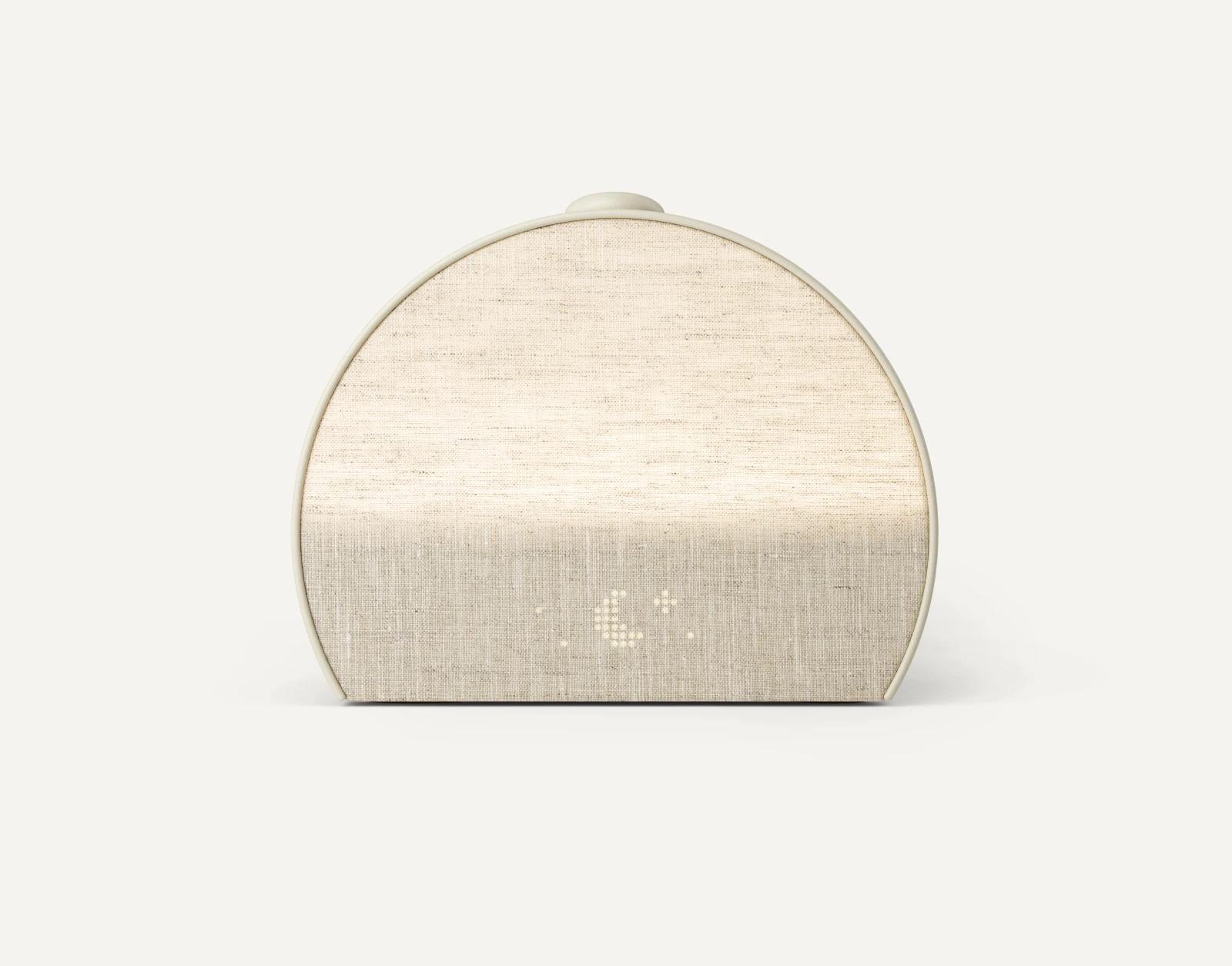 Image: Hatch
